

250 Years of USPS
The History. The People. The Future.
A History of Change. A Future Worth Planning For.
From Benjamin Franklin to today's Postal Service, explore the milestones that shaped USPS, the employees who made it possible, and the changes shaping retirement today.
Where do you fit into postal history?
Explore our interactive USPS timeline to discover the events that transformed the Postal Service. Select the decade you began your postal career to see the milestones, reforms, and retirement-benefit changes that have shaped your years of service.
USPS has spent 250 years adapting to change.
You deserve to understand how today's changes may affect their futures.
250 Years of US
When Did You Begin Your USPS Career?
You helped deliver America's story. Choose the decade you joined the Postal Service and explore some of the changes that followed.
You witnessed the digital transformation of USPS.
You've Delivered for America. Now Plan for Yourself.
Understand how your postal retirement benefits, TSP, Social Security and health coverage work together. Get answers specific to your situation.
Explore USPS Retirement Resources →This historical feature is for education, not an individualized determination of benefits eligibility. A career starting in a particular decade does not, by itself, establish CSRS, FERS, or PSHB eligibility.
1775–2025 · 250 YEARS OF SERVICE
For 250 years, America's postal system has adapted
to a changing nation. Explore the innovations,
challenges, and reforms that shaped the Postal
Service—and what they mean for the people
who deliver for America.
On July 26, 1775, the Second Continental
Congress appoints Benjamin Franklin as
the first Postmaster General, helping
establish a postal network connecting
the American colonies.
Portrait: Lloyd Branson, 1898.
Smithsonian National Postal Museum, CC0.
The United States issues its first
general-issue postage stamps in 1847,
featuring Benjamin Franklin and
George Washington. Prepaid postage
becomes easier and more standardized.
Illustration: A later historic U.S.
two-cent stamp, not an 1847 issue.
The privately operated Pony Express
begins carrying mail between Missouri
and California. Although it lasts
only about 18 months, its riders
become symbols of speed and determination.
Scheduled airmail service begins,
introducing airplanes into the nation's
postal transportation network and
helping mail travel farther, faster.
On July 1, 1963, the Post Office
Department introduces five-digit
ZIP Codes. Mr. ZIP becomes the
cheerful face of a campaign
encouraging Americans to use
the new system.
The Postal Reorganization Act of 1970
transforms the Post Office Department.
On July 1, 1971, the United States
Postal Service begins operating as an
independent establishment of the
executive branch.
Reorganization changes postal
governance, labor relations,
and financial operations.
It establishes the modern USPS
structure, while retirement
and employee benefits continue
to evolve through later legislation.
AI-generated historical illustration.
Congress passes the Postal Accountability
and Enhancement Act, changing postal
pricing and regulation and establishing
substantial retiree health-benefit
prefunding obligations.
The law creates financial obligations
that contribute to long-term pressure
on USPS operations.
Employees should distinguish the
Postal Service's financial challenges
from their individual earned retirement
benefits. The 2022 reform later
eliminates the earlier retiree
health-benefit prefunding requirement.
AI-generated illustrative image.
Congress eliminates certain retiree
health-benefit prefunding requirements
and establishes the framework for the
Postal Service Health Benefits Program.
This legislation changes the structure
of postal employee and retiree
health-benefit coverage.
Understanding PSHB enrollment,
Medicare Part B coordination,
and applicable exceptions becomes
increasingly important when
preparing for retirement.
AI-generated illustrative image.
USPS celebrates 250 years of serving
America. The Postal Service Health
Benefits Program begins coverage in
January 2025, marking a new chapter
in postal employee benefits.
Postal employees continue to navigate
changes in operations, health coverage,
and retirement planning.
Understanding how FERS or CSRS,
the TSP, PSHB, Social Security,
and Medicare work together helps
employees make informed decisions
about their financial futures.
AI-generated illustrative image.
The History. The People. The Future.
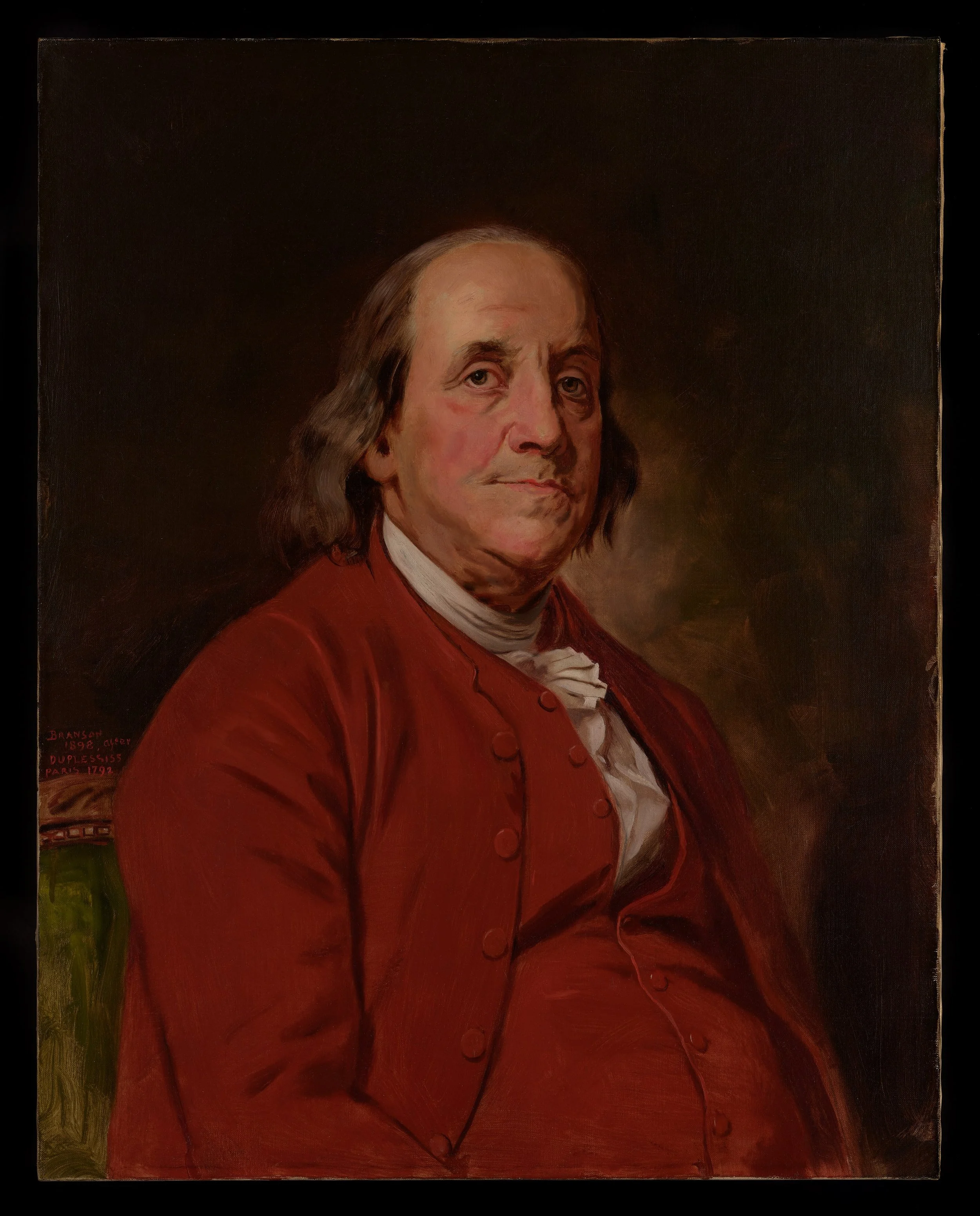
The Birth of America's Postal System
Why This Matters
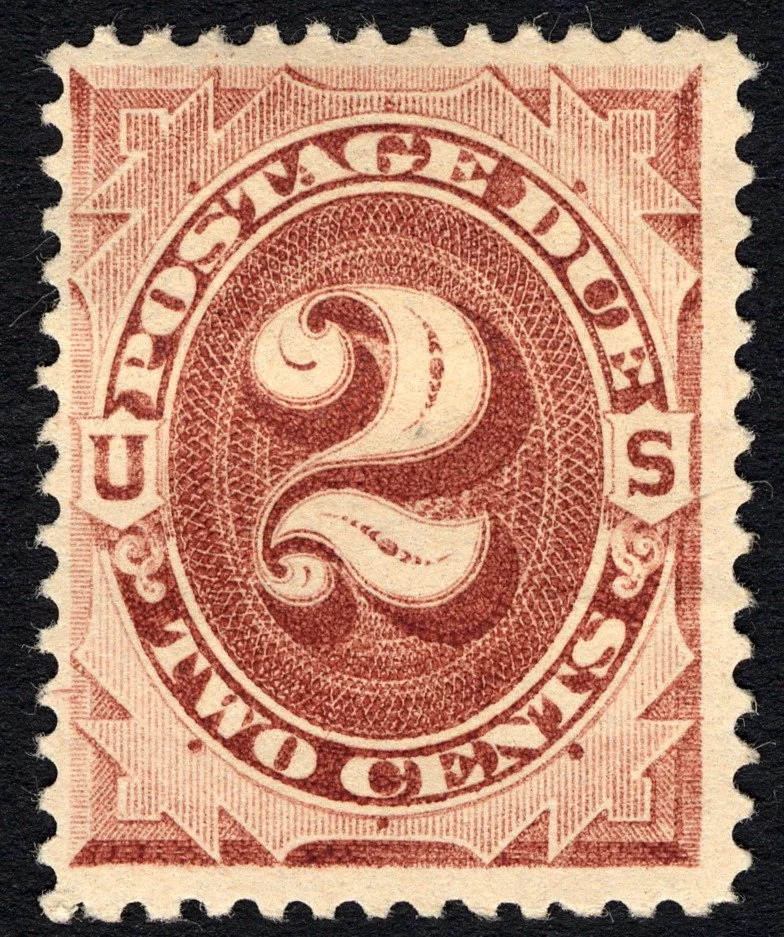
The First U.S. Postage Stamps
Why This Matters
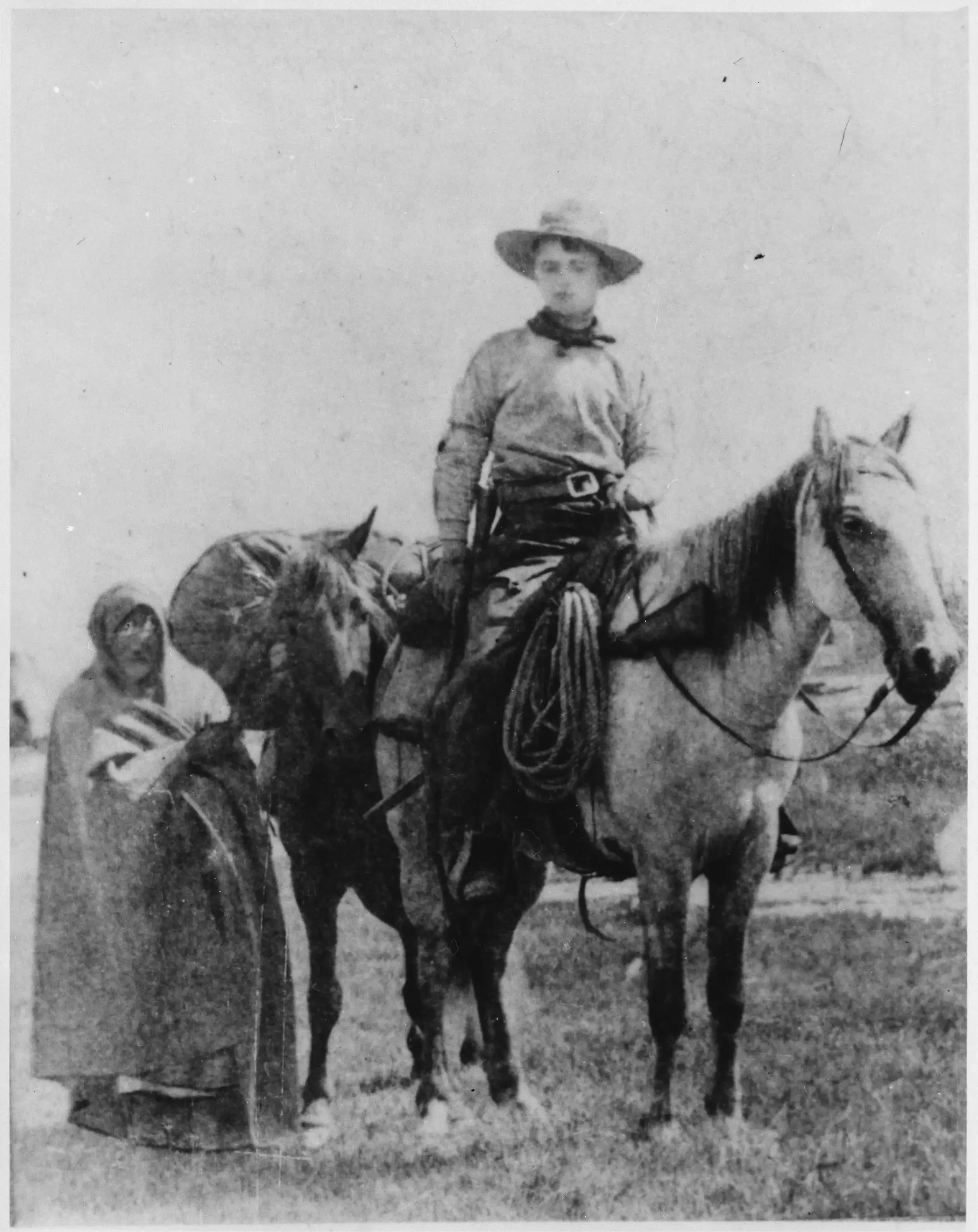
The Pony Express Rides Into History
Why This Matters
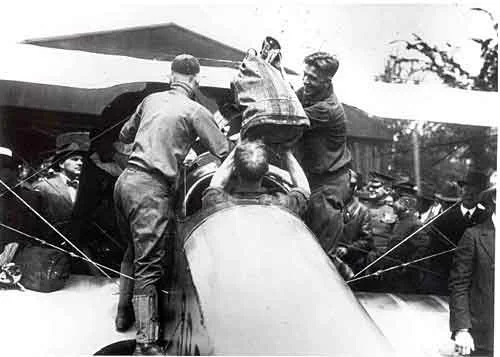
Mail Takes to the Skies
Why This Matters
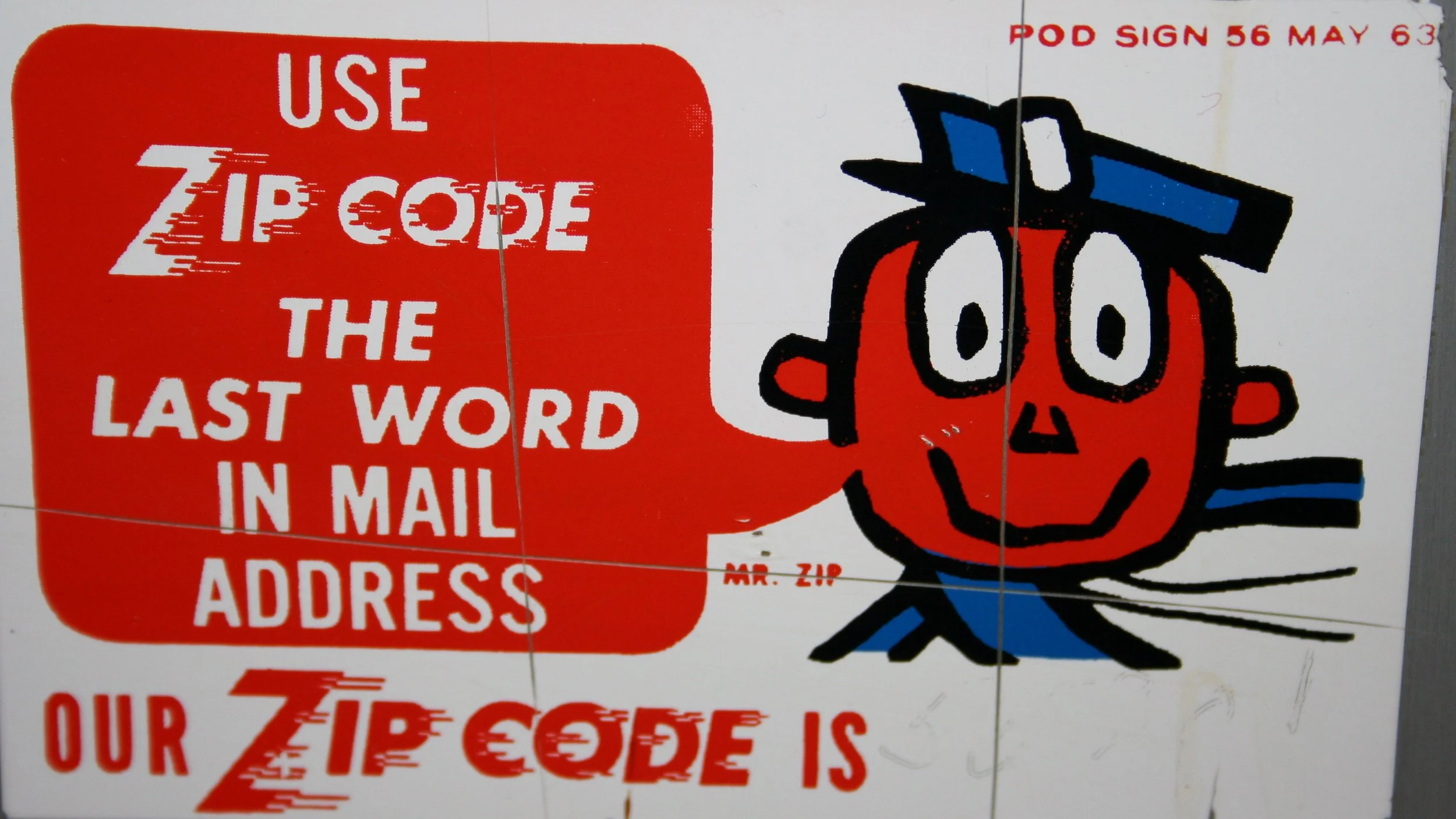
ZIP Codes Change Everything
Why This Matters
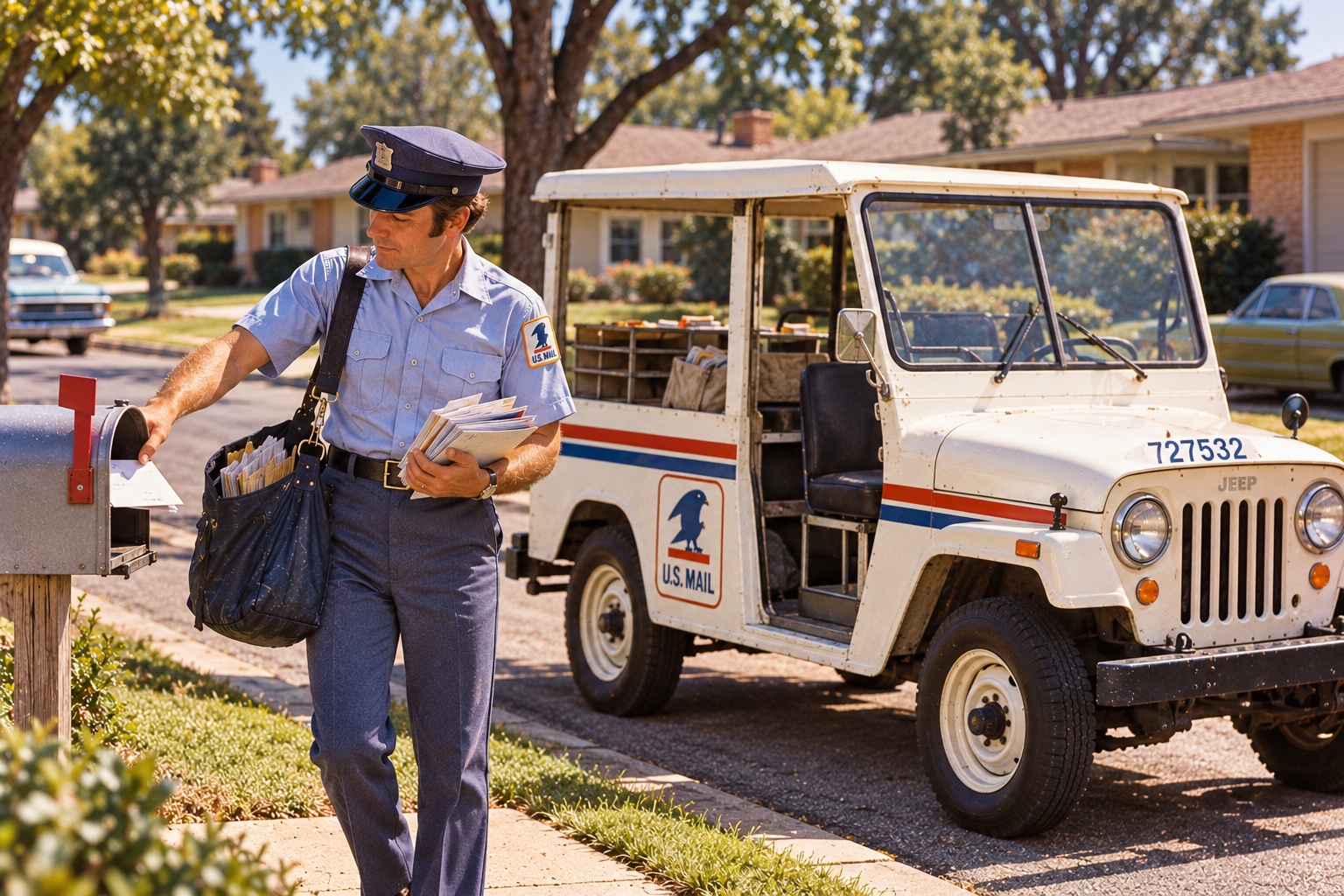
The Modern USPS Is Born
Why This Matters to Postal Employees

A New Financial Framework
Why This Matters to Postal Employees
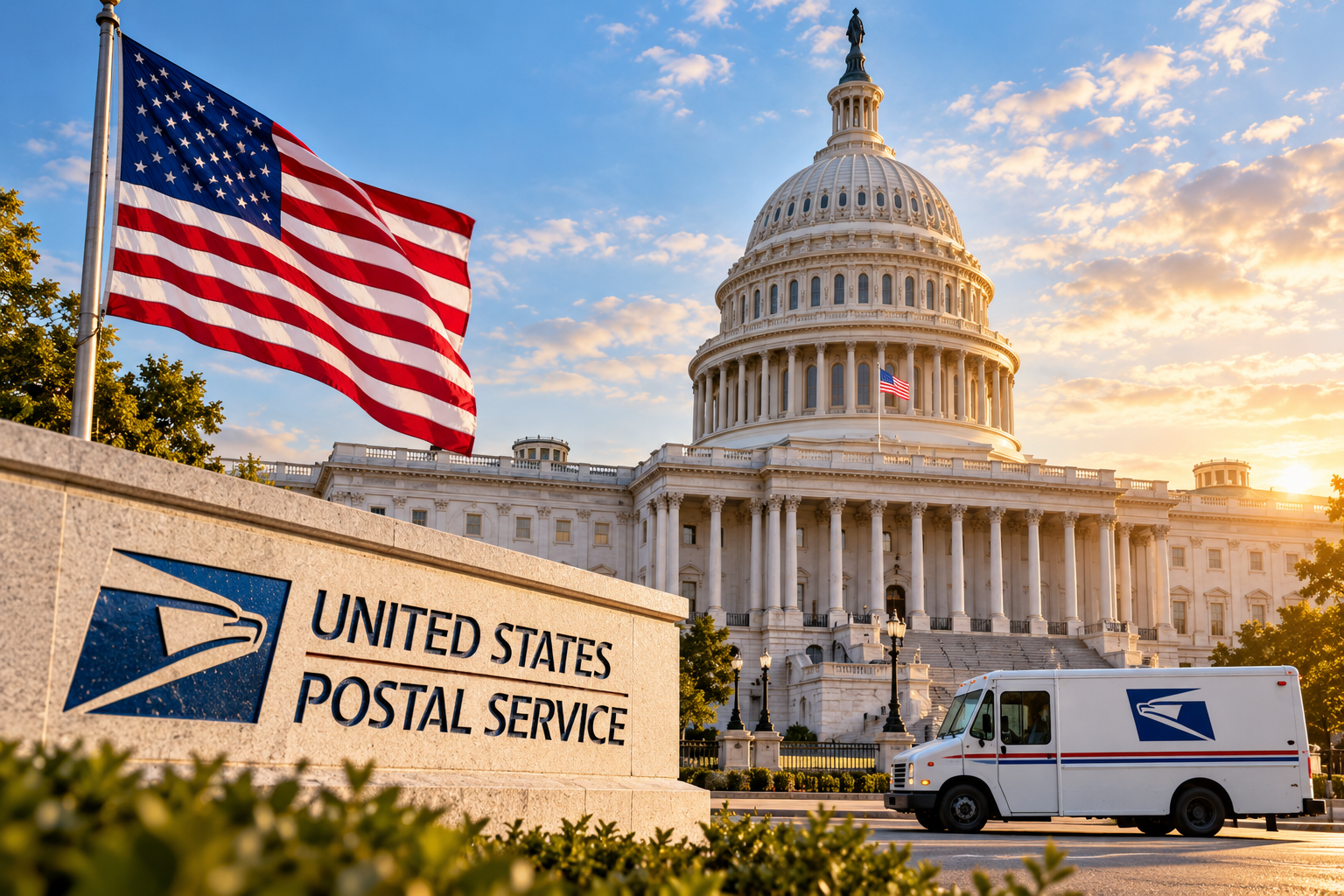
The Postal Service Reform Act
Why This Matters to Your Benefits

Celebrating the Past. Preparing for the Future.
Why This Matters to Your Future
“Where do you fit into postal history?” immediately above the interactive decade selector
Discover the history → Find your place in it → Understand what changed → Prepare for your future.
Mr. ZIP: The Little Character Behind a Big Postal Revolution
Long before automated sorting machines and today's sophisticated delivery network, America's postal employees faced an enormous challenge: moving a rapidly growing volume of mail accurately and efficiently across the country. By the early 1960s, expanding cities, growing suburbs, and increasing mail volume were putting unprecedented pressure on the U.S. Post Office Department. Postal workers needed a better way to sort and route mail. On July 1, 1963, the Department introduced the Zone Improvement Plan (ZIP) Code, a five-digit system that transformed postal operations. ZIP Codes streamlined sorting, improved efficiency, and helped lay the foundation for the automated mail-processing systems that would reshape the Postal Service.
But even the best postal innovation depends on public participation. Enter Mr. ZIP, the cheerful, fast-moving cartoon mail carrier who became the face of one of the most successful public education campaigns in postal history. Adapted from a design by Howard Wilcox, Mr. ZIP appeared on posters, mail trucks, advertising materials, and postage stamp margins, encouraging Americans to include ZIP Codes on every piece of mail. His friendly smile helped customers embrace a change that made postal employees' jobs more efficient and the nation's mail system more reliable. Mr. ZIP represented something postal employees have demonstrated for generations: delivering for America means continually finding better ways to get the job done.