
9/11 Remembrance, Education & Support Resources
September 11, 2001, took the lives of 2,977 people at the World Trade Center, the Pentagon and near Shanksville, Pennsylvania. Thousands were injured, and many responders, survivors and members of affected communities continue to live with 9/11-related physical and mental health conditions.
This resource center brings together trusted information for remembering those who died, honoring those who responded, supporting survivors and families, understanding 9/11-related health programs, and helping a new generation learn what happened and how Americans answered with courage, unity and service.
We Remember
Remembering Those Who Died on September 11
The September 11 attacks killed 2,977 people. In the years since, responders, survivors and community members have continued to suffer and die from illnesses associated with 9/11 exposures. CDC World Trade Center Health Program.
VOICES Center for Resilience reports that more than 9,000 people have died from 9/11-related illnesses, while the federal World Trade Center Health Program serves more than 125,000 responders and survivors. https://voicescenter.org/living-memorial
VOICES is proud to continue hosting its 9/11 Living Memorial in tribute to all the victims, responders and survivors. As the only complete database devoted to all 9/11 victims, we have expanded our Living Memorial to memorialize all those who have died since 9/11 so that victims’ families and friends can create a victim page, or contribute a 9/11 Story, or a 9/11 Memorial. Learn more.
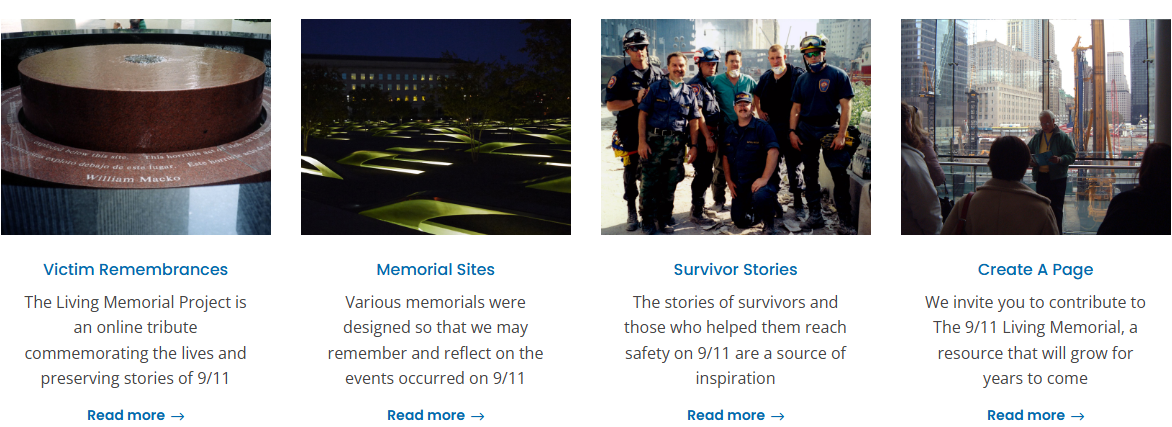

Read Their Names and Stories
Honoring Responders, Survivors and Recovery Workers
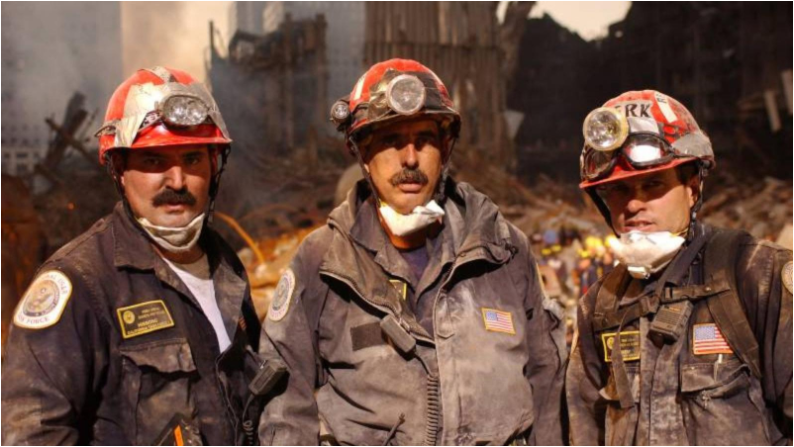
Firefighters, police officers, emergency personnel, members of the military, federal employees, construction workers, medical professionals, volunteers and thousands of others responded at Ground Zero, the Pentagon and Shanksville.
Many continued working through months of rescue, recovery and rebuilding; and many carried the physical and emotional consequences of that service for years afterward. Looking to make a donation?

Twenty-five years later, we honor those who served at Ground Zero and across every site touched by the attacks; many carrying the physical and emotional cost of that service for years to come.
We remember the families who lost someone they loved and have carried that absence through every birthday, milestone and September since.
And we recognize the Americans who stepped forward in response, joining the military, entering public service, protecting our communities and committing their lives to something greater than themselves.
To all who lost, all who served and all who answered the call: we remember you. We honor you.
We remain grateful.
Turning Remembrance Into Service
Congress designated September 11 as a National Day of Service and Remembrance. Americans can honor the lives lost by volunteering, supporting first responders and military families, helping neighbors, or performing an act of service in their communities.
Teaching the Next Generation About 9/11
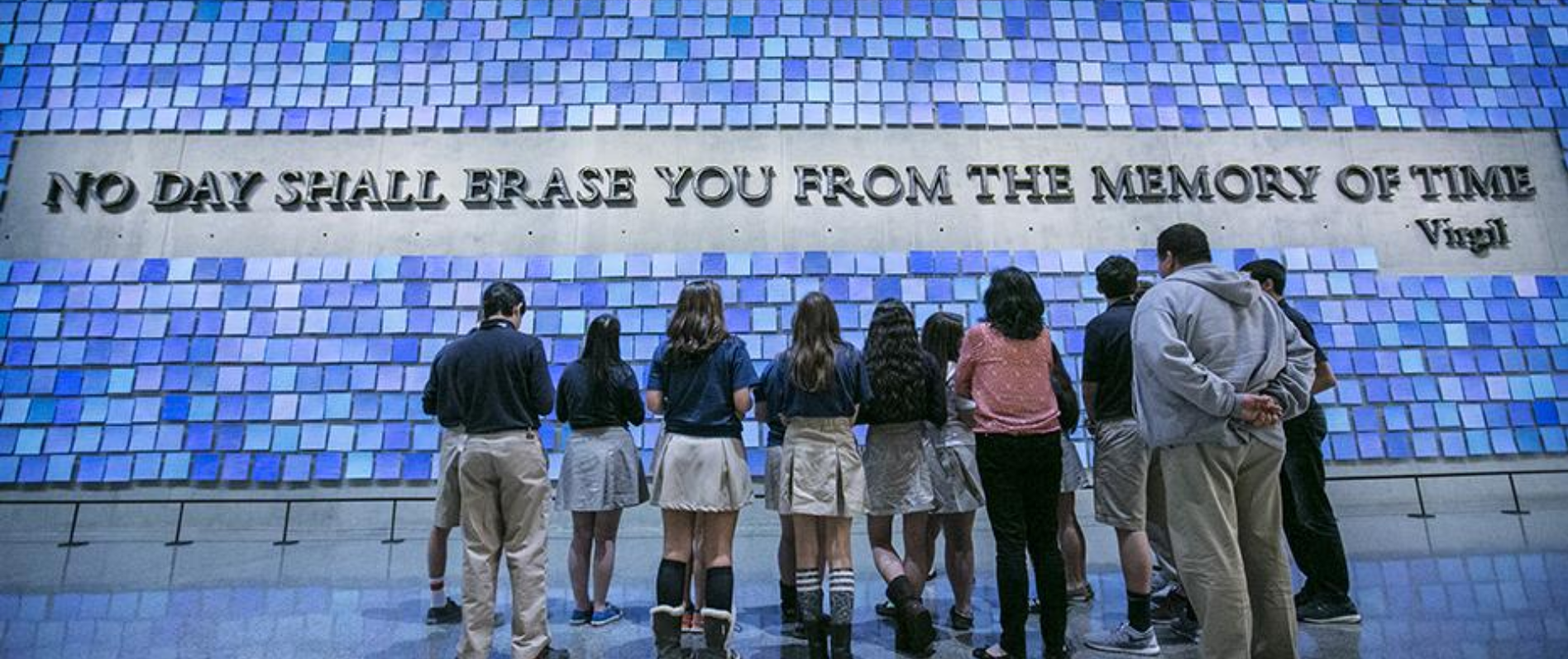
25 years later, an entire generation has grown up with no personal memory of September 11. Age-appropriate lessons, primary sources and first-person accounts can help young people understand what happened, whom we lost and how people responded through courage, compassion and service.
It is now our responsibility to help them understand, not only what America lost that day, but also the courage, unity and service that followed.
We remember for those who cannot.
We teach so the next generation will never forget.


This curated collection offers historically grounded, age-appropriate lesson plans, primary sources, first-person accounts, activities and professional learning resources from Share My Lesson and trusted organizations, including the National September 11 Memorial & Museum and 9/11 Day.
Educators and school staff can select materials appropriate for their students and learning goals.
Resources explore the events of 9/11, remembrance and service, American government and the Constitution, counterterrorism and Islamophobia.
The collection provides multiple ways for students to examine the attacks, their historical context and their lasting impact on individuals, communities and public life.
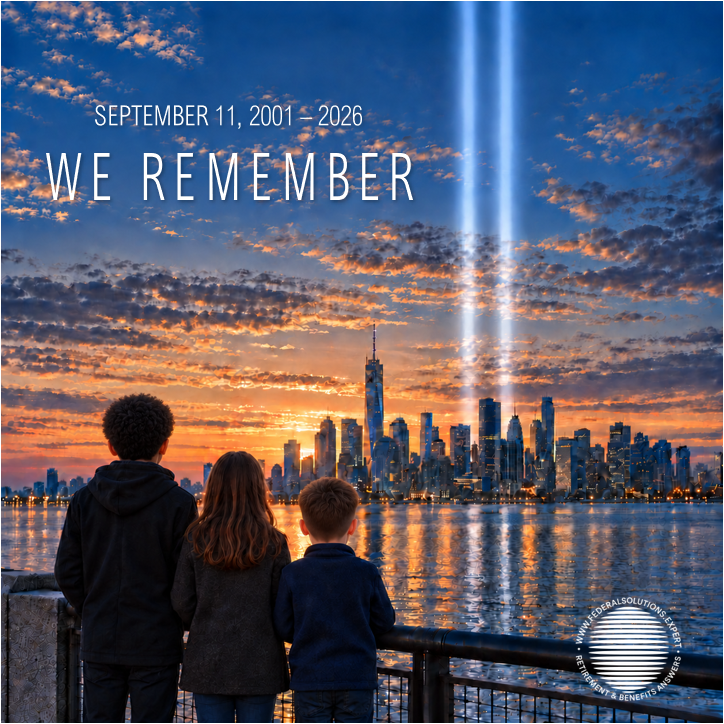
A Generation Called to Serve
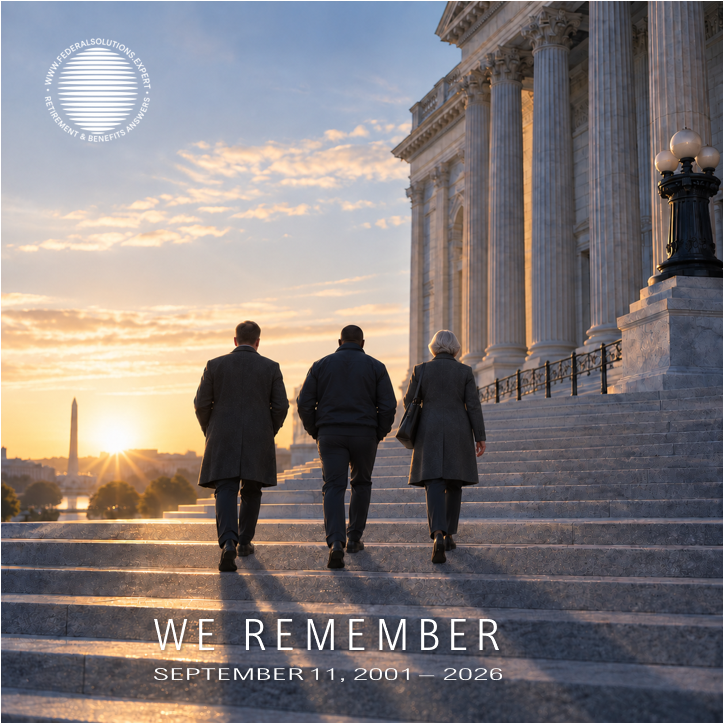
The impact of September 11 extended far beyond the attack sites. In the years that followed, millions of Americans served in the military, entered federal and public service, strengthened emergency preparedness, cared for veterans and helped protect their communities.
To all who lost, all who served and all who answered the call: we remember you. We honor you. We remain grateful.
How many people died in the September 11 attacks?
The September 11, 2001, terrorist attacks killed 2,977 people at the World Trade Center, the Pentagon and near Shanksville, Pennsylvania. That figure does not include the 19 hijackers.
How many people were injured on September 11?
Thousands were physically injured during the attacks. There is no single definitive injury total covering all three attack sites. Many additional responders, survivors and community members later developed illnesses associated with exposure to dust, debris, hazardous materials and psychological trauma.
How many people have developed 9/11-related illnesses?
The federal World Trade Center Health Program serves more than 143,000 responders and survivors. Enrollment is not the same as the total number of people who became ill, and the full health impact continues to be studied.
Where can 9/11 responders and survivors receive help?
Eligible responders and survivors may receive monitoring and treatment through the World Trade Center Health Program. People with qualifying physical injuries, illnesses or deaths may also seek compensation through the September 11th Victim Compensation Fund.
Where can teachers find age-appropriate 9/11 lessons?
The National September 11 Memorial & Museum provides free lesson plans organized by grade and subject. C-SPAN Classroom, Share My Lesson and 9/11 Day also provide educational materials and service-learning resources.
How can people honor September 11 through service?
September 11 is federally recognized as a National Day of Service and Remembrance. Individuals, families, schools and workplaces can participate through volunteering, community projects, charitable giving and acts of kindness.
9/11 FAQs
Supporting Families Living With Loss

September 11 changed thousands of families forever.
Spouses lost partners, parents lost children, siblings lost one another, and approximately 3,000 children reportedly lost a parent.
For these families, the impact has continued through every birthday, graduation, wedding and September anniversary.
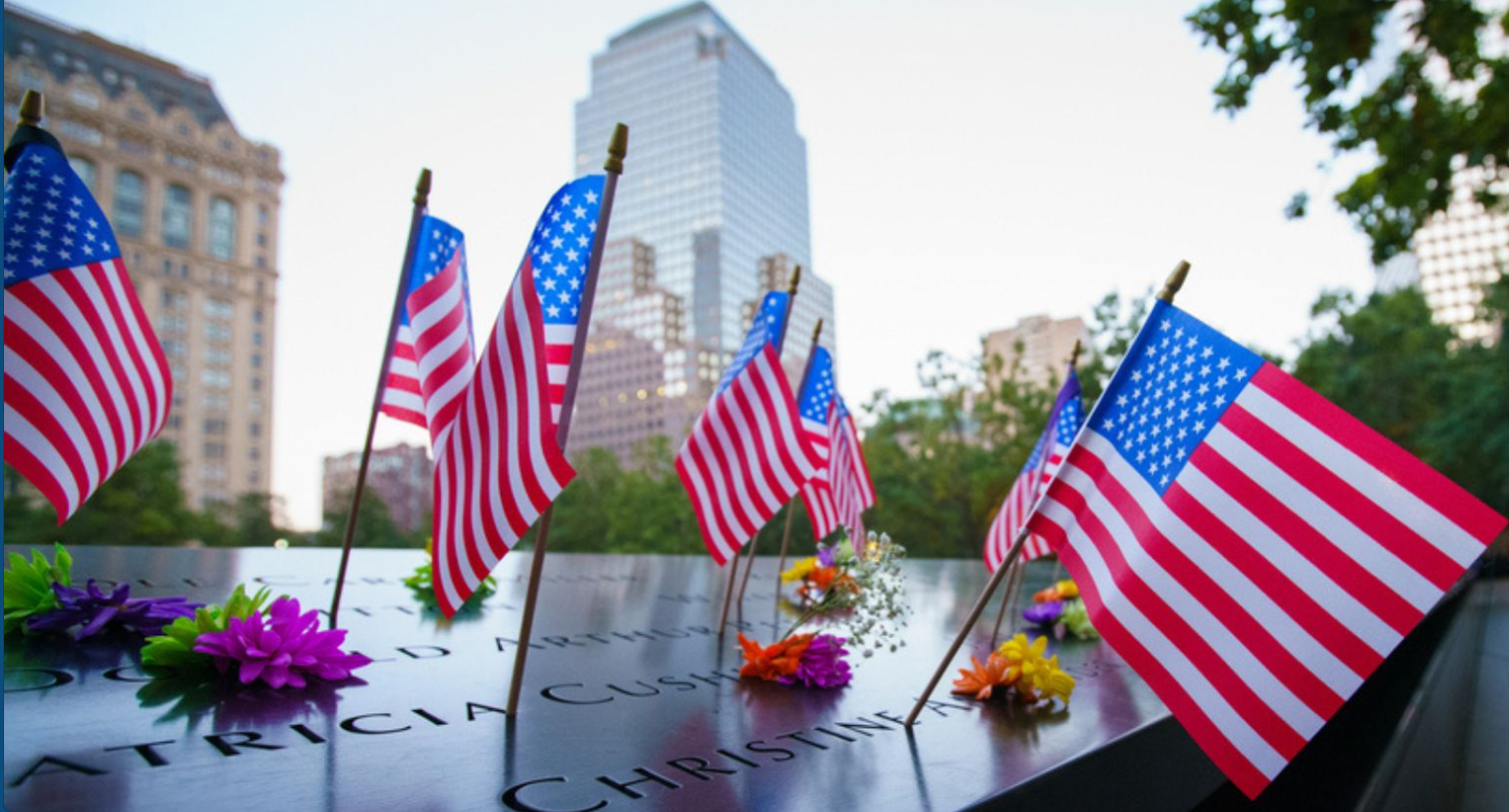
Reputable organizations that support 9/11 Survivors
Financial contributions can support medical needs, mental-health services, emergency assistance, advocacy and long-term help for responders and their families.
Tunnel to Towers Foundation | Supports catastrophically injured first responders, fallen first-responder families, Gold Star families and veterans | Its mission is broader than Ground Zero responders alone | Federal Solutions is a donor
Wounded Warriors | September 11 inspired a generation of Americans to enter military service | The Wounded Warrior Project provides mental-health care, physical-wellness programs, benefits assistance, career support and other services (at no cost) to wounded, ill and injured post-9/11 veterans and their families | Federal Solutions is a donor
FealGood Foundation | Provides financial assistance and advocacy for 9/11 responders and their families, including help with healthcare, funeral and basic living expenses
VOICES Center for Resilience | Supports counseling, peer groups, wellness programs and referrals for responders, survivors and victims’ families
National September 11 Memorial & Museum | Supports remembrance, preservation of 9/11 history and education rather than direct medical or financial assistance