
Thrift Savings Plan (TSP)
What Federal Employees Need to Know
The Thrift Savings Plan (TSP) is a key part of retirement for millions of federal employees and members of the uniformed services. Understanding your contributions, federal matching, investment choices, taxes and withdrawal options can have a significant impact on your retirement.
Federal Benefits Education
& Analysis from Federal Solutions
What’s New with the TSP in 2026?
How much can Federal Employees contribute to the TSP in 2026?
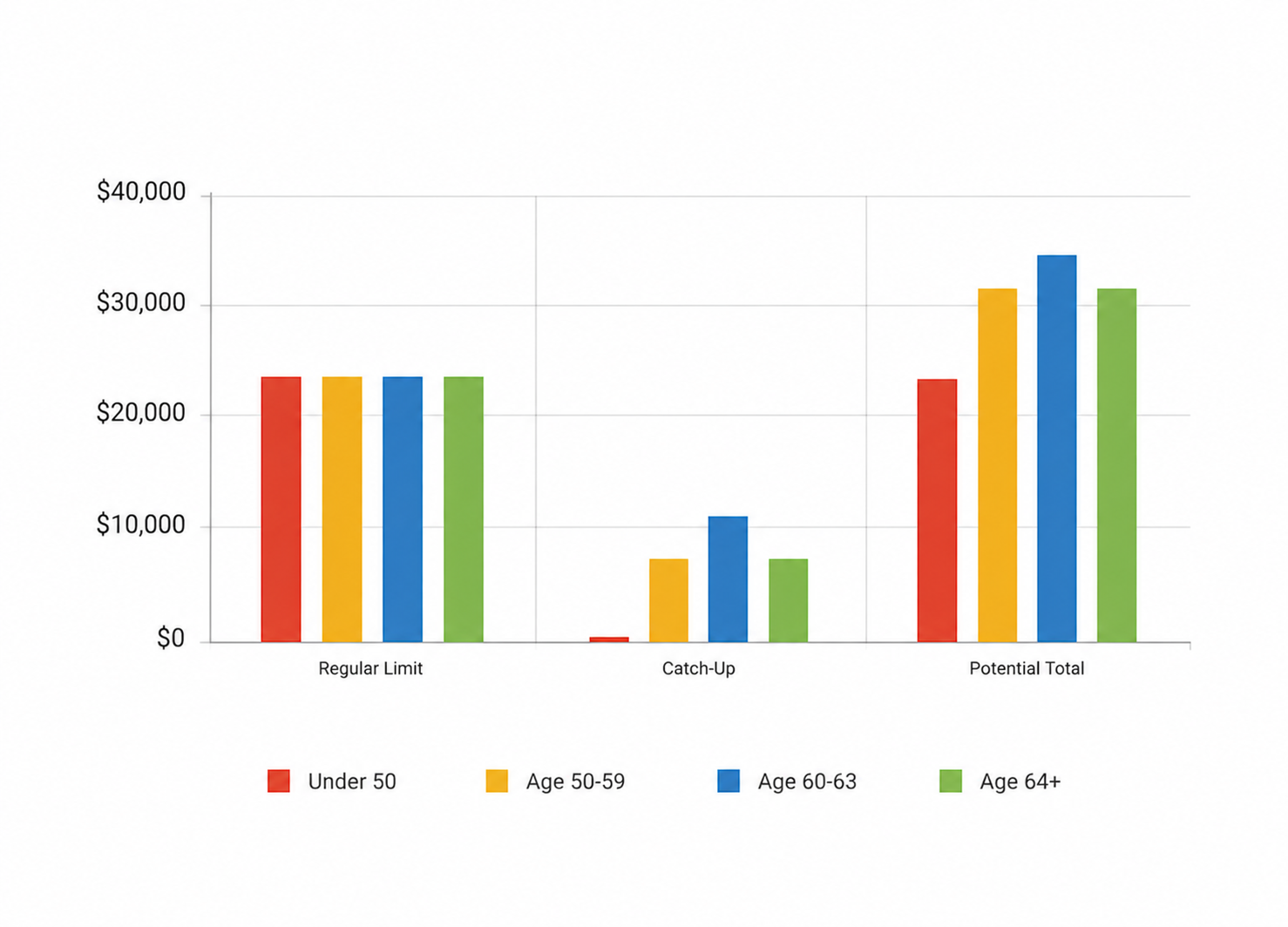
Federal employees can contribute up to $24,500 to the Thrift Savings Plan (TSP) in 2026, an increase from $23,500 in 2025. This employee contribution limit applies to the combined total of Traditional TSP and Roth TSP contributions.
Employees who are age 50 or older by the end of 2026 may be eligible to make an additional $8,000 catch-up contribution, bringing their potential employee contribution total to $32,500.
Federal employees who turn age 60, 61, 62, or 63 during 2026 have an even higher catch-up opportunity under SECURE 2.0. Their catch-up limit is $11,250, allowing potential employee TSP contributions of up to $35,750 for 2026.
TSP Contribution Limits 2026
How much should I contribute to my TSP to get the full government match?
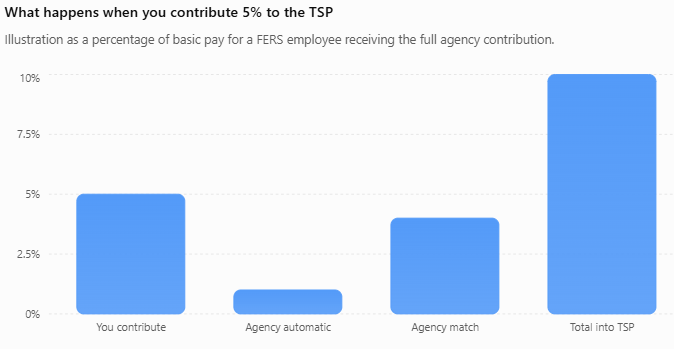
When you contribute 5% of your basic pay to the TSP, an eligible FERS employee can receive the full agency contribution. Your agency contributes 1% automatically and can add another 4% through matching contributions.
Together, that means an amount equal to 10% of your basic pay can be going toward your retirement.
For example, with $100,000 in basic pay, a 5% employee contribution is $5,000 per year. With the full agency contribution of another $5,000, approximately $10,000 per year goes into the TSP—before considering any investment growth.
The matching rules and eligibility depend on your retirement system and employment status; the illustration is not investment advice.
What difference can increasing your TSP contribution from 1% to 5% make? For a FERS employee earning $75,000, receiving the full available government match and allowing those contributions to compound could create a significant difference over time.*
How does the Federal Government’s TSP match work? What 5% Can Do for Your TSP
Consider a FERS employee earning $75,000 per year.
If the employee contributes only 1% of salary to the TSP, they contribute $750 per year. With the government's automatic 1% contribution plus the applicable matching contribution, approximately $2,250 per year would go into the employee's TSP account.
If that employee instead contributes 5% of salary, they contribute $3,750 per year. At 5%, the employee generally receives the full available agency automatic and matching contributions, bringing the total amount going into the TSP to approximately $7,500 per year.
Assuming the salary remains at $75,000, contributions are made throughout the year, and the account earns an average 6% annual return, after 10 years the difference could look approximately like this:
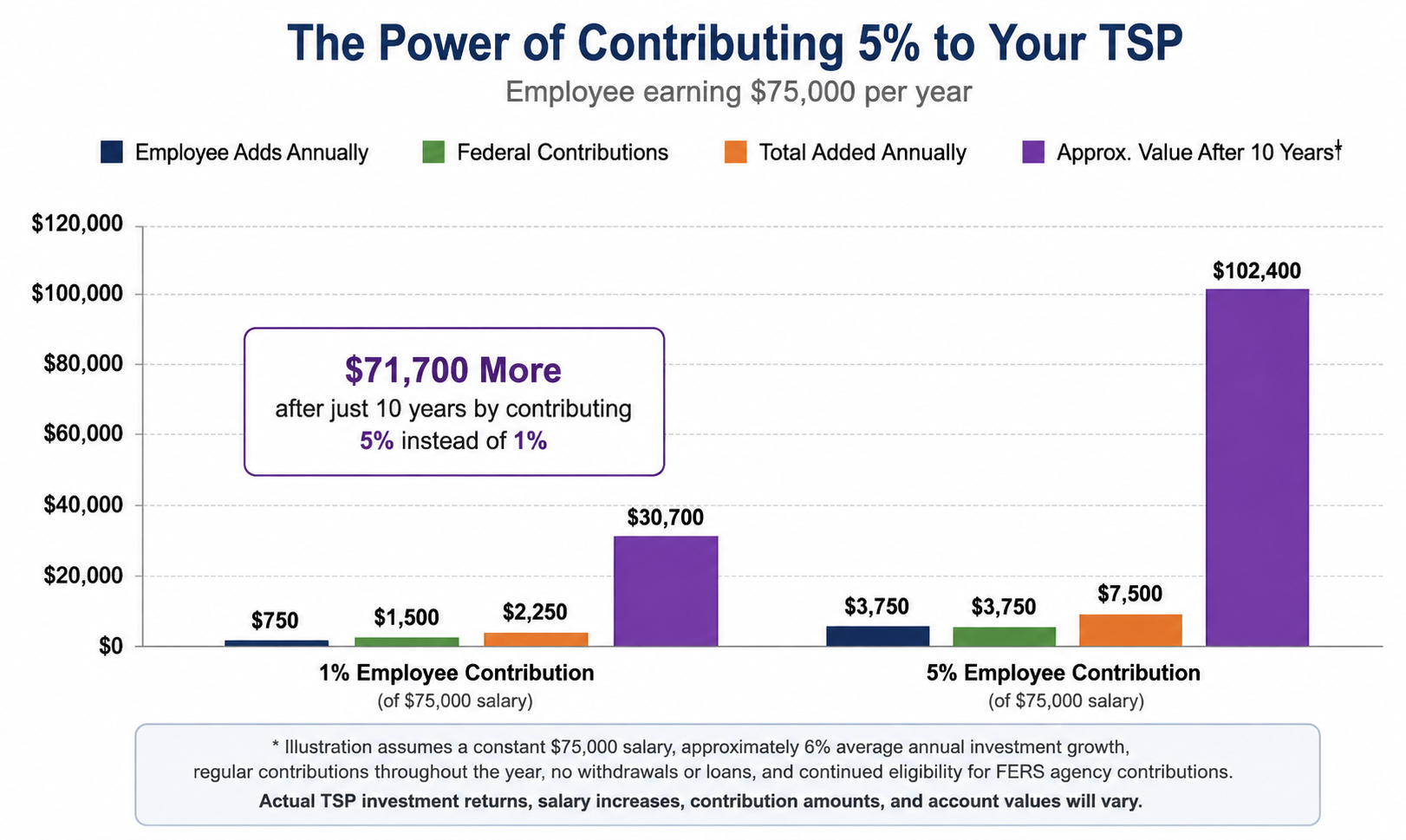
That's a difference of approximately $71,700
after just 10 years!
What is the difference between contributing 1% and 5% to the TSP?
For most FERS employees, contributing less than 5% can mean leaving part of the available government match on the table. Generally, the government provides a 1% automatic contribution, matches the first 3% dollar-for-dollar, and matches the next 2% at 50 cents on the dollar.
That means an employee contributing 5% can potentially have an amount equal to 10% of salary going into the TSP when employee and government contributions are combined.
Over an entire federal career, the difference can become substantial.
Federal Solutions Tip: Your TSP contribution percentage may look like a small decision on each paycheck, but over 10, 20, or 30 years, the combination of government matching and compound growth can have a major impact on retirement savings - often totaling $100,000 or more.
*Illustration assumes a constant $75,000 salary, approximately 6% average annual investment growth, regular contributions throughout the year, no withdrawals or loans, and continued eligibility for FERS agency contributions. Actual TSP investment returns, salary increases, contribution amounts, and account values will vary.
When it comes to Federal benefits, experience matters.
Trust the experts - it’s been our specialty for 38 years.
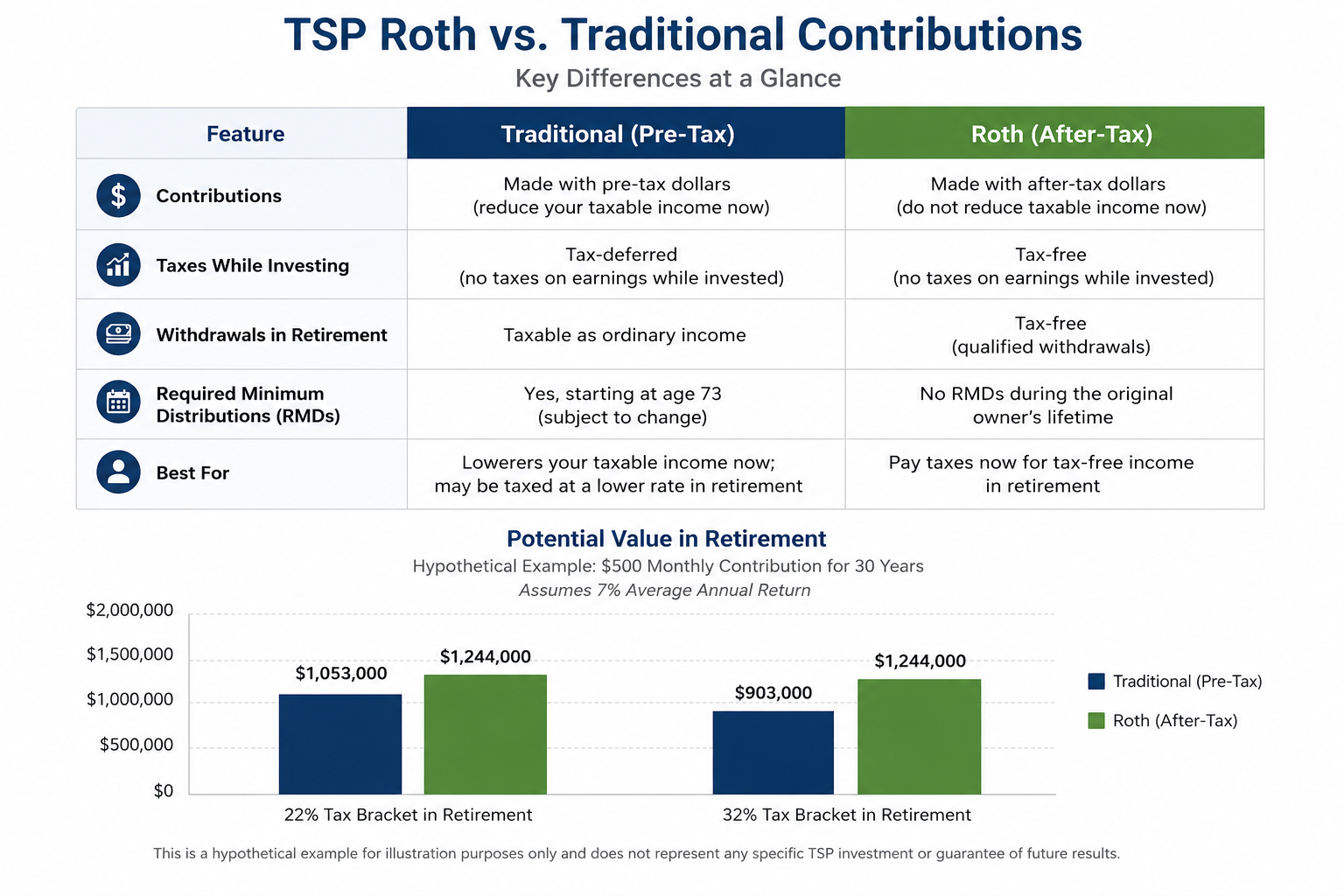
Should federal employees contribute to Traditional TSP or Roth TSP?
Beginning in 2026, an important SECURE 2.0 rule affects some federal employees who make catch-up contributions to the Thrift Savings Plan (TSP).
What’s changing? If you’re age 50 or older and your 2025 wages from your employer exceeded $150,000, any catch-up contributions you make in 2026 generally must be made as Roth (after-tax) contributions, rather than Traditional/pre-tax contributions.
Who needs to pay attention? Primarily higher-paid employees who are 50+ and plan to contribute above the regular TSP limit. For 2026, the regular contribution limit is $24,500. The standard age-50+ catch-up is $8,000, allowing up to $32,500 in employee contributions.
There’s also a special provision for employees who turn 60, 61, 62, or 63 during 2026. Their higher catch-up limit is $11,250, potentially allowing total employee contributions of $35,750.
Bottom line: The change does not mean everyone has to switch their TSP contributions to Roth. It specifically matters to certain higher-income participants making catch-up contributions. Traditional and Roth TSP contributions remain available for regular contributions.
TSP Fund Performance
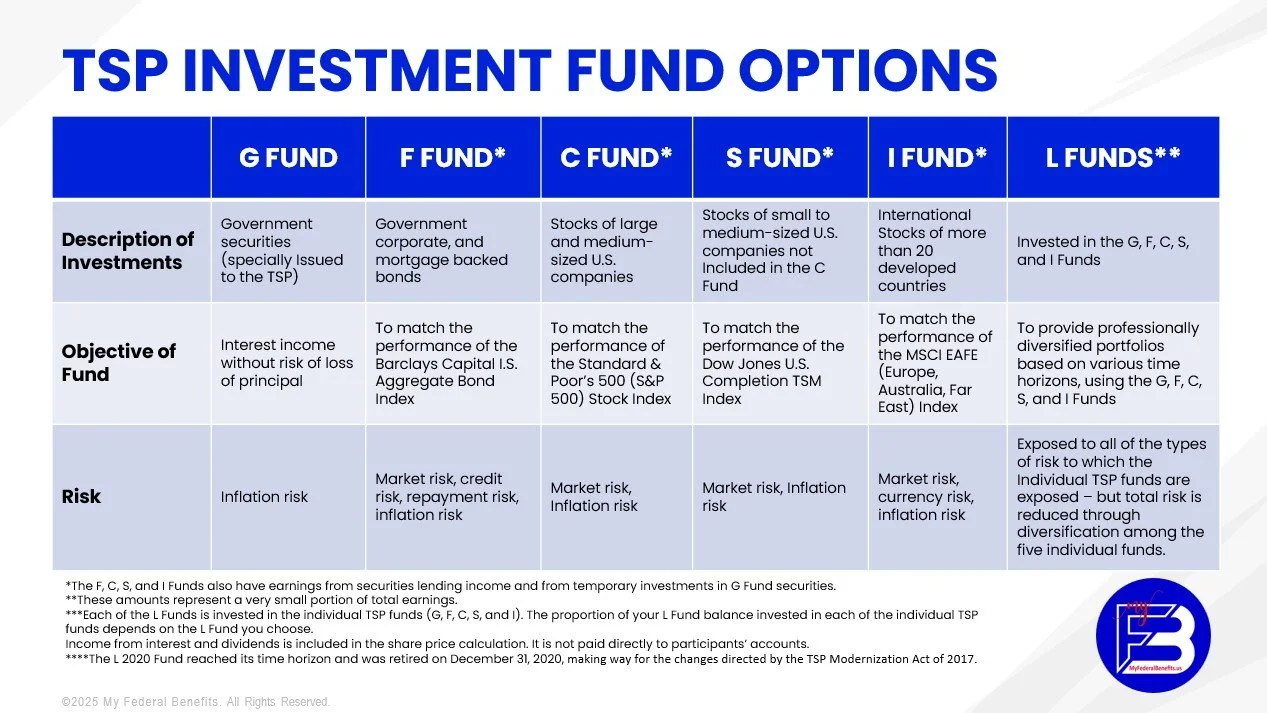
Stay informed about how the Thrift Savings Plan (TSP) funds are performing. Review the latest monthly and quarterly returns for the G, F, C, S, I, and Lifecycle (L) Funds, compare recent performance, and see how each investment option is tracking over time.
Fund performance can help you understand how market conditions are affecting your TSP investments, but short-term results shouldn’t be the only factor in making retirement investment decisions.


TSP Withdrawal & Retirement Strategies
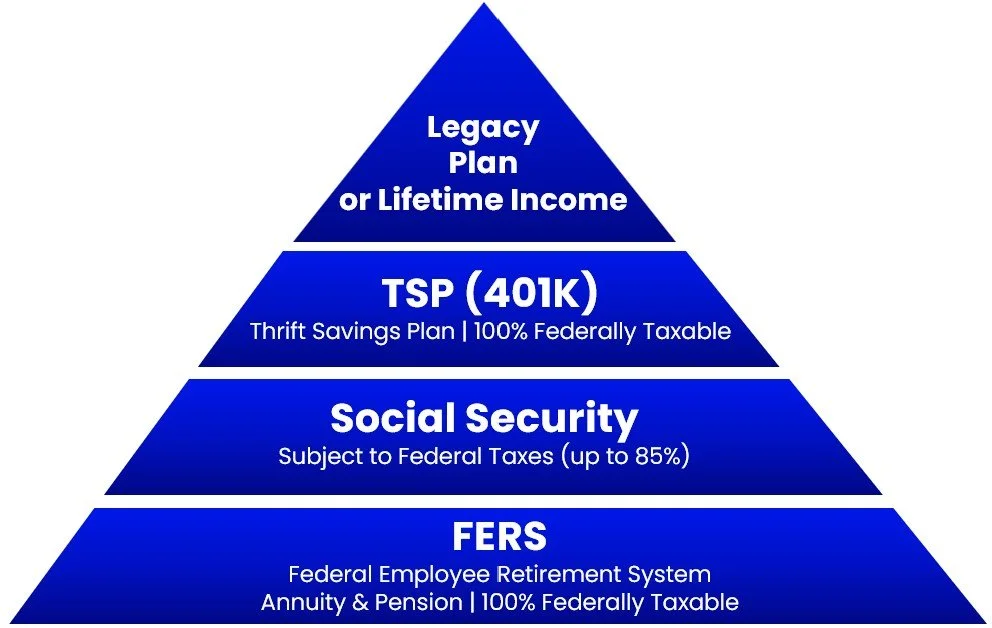
Early in your career, the focus is often simple: save consistently, receive the full TSP match, and give your investments time to grow. As retirement approaches, the decision becomes more complicated because you’re no longer thinking only about accumulation—you’re preparing to turn those savings into retirement income.
Your TSP choices can begin affecting several parts of your financial picture at once. Traditional TSP withdrawals generally create taxable income, while qualified Roth withdrawals can provide tax-free income. That means the mix of Traditional and Roth savings you have accumulated can influence your taxable income, withdrawal strategy, and flexibility in retirement.
Other considerations become more important too: when you plan to retire, when you will claim Social Security, whether you will receive a FERS pension, how much cash you need available, and how much investment risk you can comfortably take as withdrawals get closer.
What happens to my TSP as I approach Federal Retirement?
Frequently Asked TSP Questions
Can I leave my money in the TSP after I retire?
Yes. You can generally leave your money in the TSP after you retire from federal service. However, the TSP was designed primarily as a workplace retirement savings and investment plan. Once you retire, your financial priorities may shift from accumulating savings to managing retirement income, taxes, withdrawals, healthcare costs, beneficiaries, and legacy planning.Can I roll my TSP into an IRA after retirement?
Yes. Eligible TSP participants may generally transfer or roll over some or all of their TSP balance to an IRA or another eligible retirement plan after separating from federal service. A properly structured direct rollover can generally move eligible retirement assets without creating an immediate taxable distribution.Retirement is also when your financial priorities may change from simply accumulating money to protecting assets, generating income, managing taxes, and continuing to build wealth for the future.
Federal Solutions can help you evaluate your rollover options and identify strategies designed to protect your retirement assets while providing opportunities for continued growth and dependable retirement income. We help you compare your TSP with available retirement solutions based on factors such as principal protection, growth potential, income needs, fees, liquidity, taxes, and your long-term goals.
Before moving your TSP, understand what you're giving up, what you're gaining, and how the decision fits into your complete federal retirement plan.
What happens to my TSP if I leave federal service before retirement?
Leaving federal employment does not necessarily mean you have to withdraw your TSP. Depending on your account balance and circumstances, you may be able to keep the account in the TSP, transfer eligible funds, or take distributions.Can I take money from my TSP while I am still a federal employee?
Yes. The TSP allows certain in-service withdrawals and loans for eligible participants. However, accessing your TSP before retirement can reduce the amount available to grow and compound over time and may have tax or repayment consequences.At Federal Solutions, we see employees deplete retirement savings during their working years, only to discover they need those dollars most after the paycheck stops. Before borrowing or withdrawing from your TSP, consider not only what you need today, but how the decision could affect your income and financial security throughout retirement.
How are TSP withdrawals taxed in retirement?
Traditional TSP withdrawals are generally subject to federal income tax when distributed. Qualified Roth TSP withdrawals can generally be received tax-free (because taxes are paid at the time of investment rather than at the time of withdrawal), which is one reason the mix of Traditional and Roth savings can matter when planning retirement income.When do required minimum distributions begin from the TSP?
Required Minimum Distributions (RMDs) generally begin at age 73 under current federal law. For individuals born in 1960 or later, the RMD starting age increases to 75. If you're still working for the federal government, special rules may allow you to delay RMDs from your TSP until after you separate from federal service.RMDs from a Traditional TSP are generally taxable income, so planning ahead for required withdrawals can be important when coordinating your TSP, Social Security, Medicare premiums, taxes, and overall retirement income strategy.
Latest TSP News & Expert Analysis
By: Eric Steffy, Federal Solutions Support
Published in FEDweek: April 9, 2026
While federal agencies automatically contribute 1% of pay regardless of participation, contributing at least 5% allows employees to receive the full government match, essentially doubling their savings.
For years, the Thrift Savings Plan (TSP), the federal government’s retirement savings program , has served as a stable, low-cost way for federal employees to prepare for retirement. In 2026, however, changes are set to take effect. These include higher contribution limits and new Roth-related requirements, which could significantly alter how federal workers approach saving, tax planning, and future retirement withdrawals. While these changes appear incremental at first glance, it’s crucial that federal workers fully understand the details before making any adjustments to their existing retirement strategies.
Starting this year, federal employees can contribute up to $24,500 to their TSP, a $1,000 increase from years prior. Employees who are at least 50 will still be able to contribute an additional $8,000 in catch-up contributions. However, provisions in the SECURE 2.0 act are changing the way those catch-up contributions are taxed for certain employees. Beginning in 2026,federal workers who made more than $150,000 in 2025, any extra contributions must go into the Roth portion of your plan, meaning those dollars will be taxed upfront rather than deferred.
For federal workers who are early in their careers, higher contribution limits may not feel urgent. But over time, even small contribution increases can significantly affect your retirement lifestyle. While federal agencies automatically contribute 1% of pay regardless of participation, contributing at least 5% allows employees to receive the full government match, essentially doubling their savings. If employees continue making consistent contributions that are close to the maximum over a 30-year period, they could save more than $1 million in principal alone. For younger employees, time is the most powerful asset. But for those nearing retirement, the strategy shifts from long-term compounding to maximizing how much can be saved during the final working years.
By maximizing the current contribution limit, an employee planning to retire within the next five years could contribute roughly $122,500 in new savings, before factoring in any investment growth. Once catch-up contributions and agency matching are factored in, employees could contribute more than $30,000 per year. Even over a relatively short window, that level of disciplined saving — combined with modest growth — can meaningfully strengthen a retiree’s financial stability.
While contribution levels determine how much is saved, determining how many dollars retirees will actually keep depends on how they’re taxed. While traditional TSP contributions may reduce taxable income now, those dollars will be taxed as ordinary income once they’re withdrawn. Roth contributions, by contrast, are taxed up front and can be withdrawn tax-free in retirement. It is important to remember that contribution limits are the same whether dollars are directed to the Traditional or Roth portion of the plan.
Deciding whether to prioritize Traditional or Roth contributions shouldn’t be a one-size-its-all decision. It requires thoughtful consideration of current income, expected future tax brackets, retirement timelines, and overall financial goals.
With a in-plan Roth conversion, employees have the option to transfer funds from the Traditional portion of their TSP into the Roth portion. It will be taxed in the year it was converted. Employees should be mindful of how much they are converting in a single year because converting too much could push them into a higher tax bracket. On the other hand, because Roth balances are not subject to Required Minimum Distributions, strategic conversions may help reduce future mandatory withdrawals and provide greater long-term flexibility.
Beyond contribution strategy, federal workers should also think carefully about how retirement funds will eventually be withdrawn. Taking funds from Traditional accounts will increase taxable income while Roth withdrawals offer tax-free flexibility. Therefore, retirees who have Traditional and Roth balances can manage taxable income by coordinating withdrawals. For added flexibility and investment choice, some federal workers may also consider rolling assets into an IRA once they’ve retired.
While this year’s changes may seem technical, federal employees actually have a meaningful opportunity to be more intentional about retirement planning. The difference between a comfortable retirement and a strained retirement often comes down to the decisions made during working years. Rather than staying on savings-autopilot, consider reviewing how your contributions, tax positioning, and future withdrawal plans fit together. The coordination of those decisions can influence not only how much you are able to save, but how much you ultimately keep.
Taking the time to run the numbers, ask questions, and refine your approach today can lead to greater flexibility, stability, and confidence when retirement arrives.

Eric M. Steffy is the Founder and CEO of Federal Solutions Support, and a Senior Federal Benefits Expert with more than 38 years of experience helping federal employees navigate retirement. Known for his high-integrity approach and deep expertise in federal and state benefits systems, Eric is dedicated to ensuring clients are well-positioned to maximize their retirement income and benefits.
As featured on ABC, CBS, NBC, & FOX TV, U.S. News & World Report, USA Today, FEDweek, Kiplinger, GoBankingRates, yahoo!finance, AOL Finance, MSN money, Nasdaq Personal Finance & more.
TSP Terms Federal Employees Should Know
G Fund — Government Securities Investment Fund
F Fund — Fixed Income Index Investment Fund
C Fund — Common Stock Index Investment Fund
S Fund — Small Capitalization Stock Index Investment Fund
I Fund — International Stock Index Investment Fund
L Funds — Lifecycle funds
Traditional TSP
Roth TSP
Agency Automatic Contributions
Agency Matching Contributions
RMD
TSP Loan
TSP Withdrawal
